
House Hunting Wishlist and Red Flags
DREAM HAUS
Our Wishlist & Long List of Red Flags
Before viewing homes, establish a list of needs, wants, and no-gos. But identifying your list of red flags is the most critical exercise. Here’s ours!
If only house hunting was as easy as they make it look on House Hunters! If there’s anything we learned for all the hours Victoria has spent watching HGTV, having a wishlist is critical to finding your dream home.
Writing a Wishlist
LIST DREAM ITEMS
Okay this is the fun part. As you sit down and open up your notebook, think of your dream home and start writing out the features that come to mind. That list could include anything from home style, if you have a preference (e.g., colonial, contemporary, ranch, etc.) to number of bedrooms and bathrooms. Perhaps a good school system makes it on your list. Whatever your dream home, jot it down.
This next step isn’t as fun — reality. Step away from your dream list and on a fresh page, list out your budget and any other hard-fact considerations, such as location, commuting needs, etc.
LIST PRIORITY ITEMS
Before starting our house search, we listed our Must-Haves and Nice-to-Haves. This served as our guide for determining which properties we wanted to see with our realtor and how we prioritized them when we’re facing time restrictions (which is the reality when house-hunting in the NYC tri-state area!).
On our priority list, we focused on things that would take significant amounts of money to fix or that couldn’t be changed at all, including:
Acreage — you can change your house, but the land your house sits on will never change. Additionally, any future home expansions will be limited to the size of your lot and your town’s code.
Location, Location, Location — this seems to be a no-brainer as you likely have an area in mind for a reason. But for us, this meant looking for the worst house in the best location to get the best bang for our buck. As first-time home buyers, we’re more focused on making a smart investment, so we’re willing to take on a cheaper property that needs some love. To determine this, we compare the valued price of the surrounding houses, the town’s current median house value, and the town’s median house value over a period of time.
LIST IRL LOVES
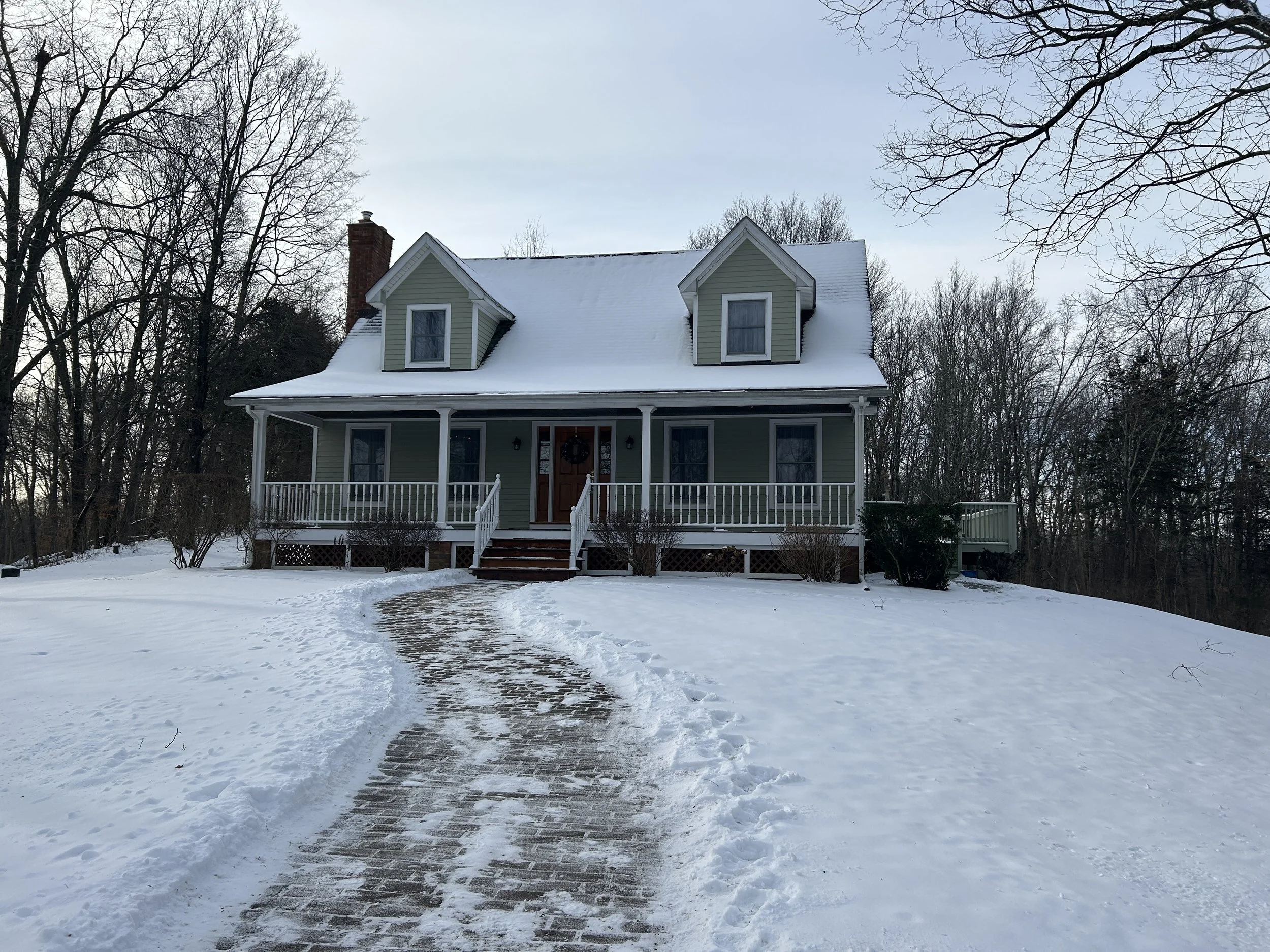
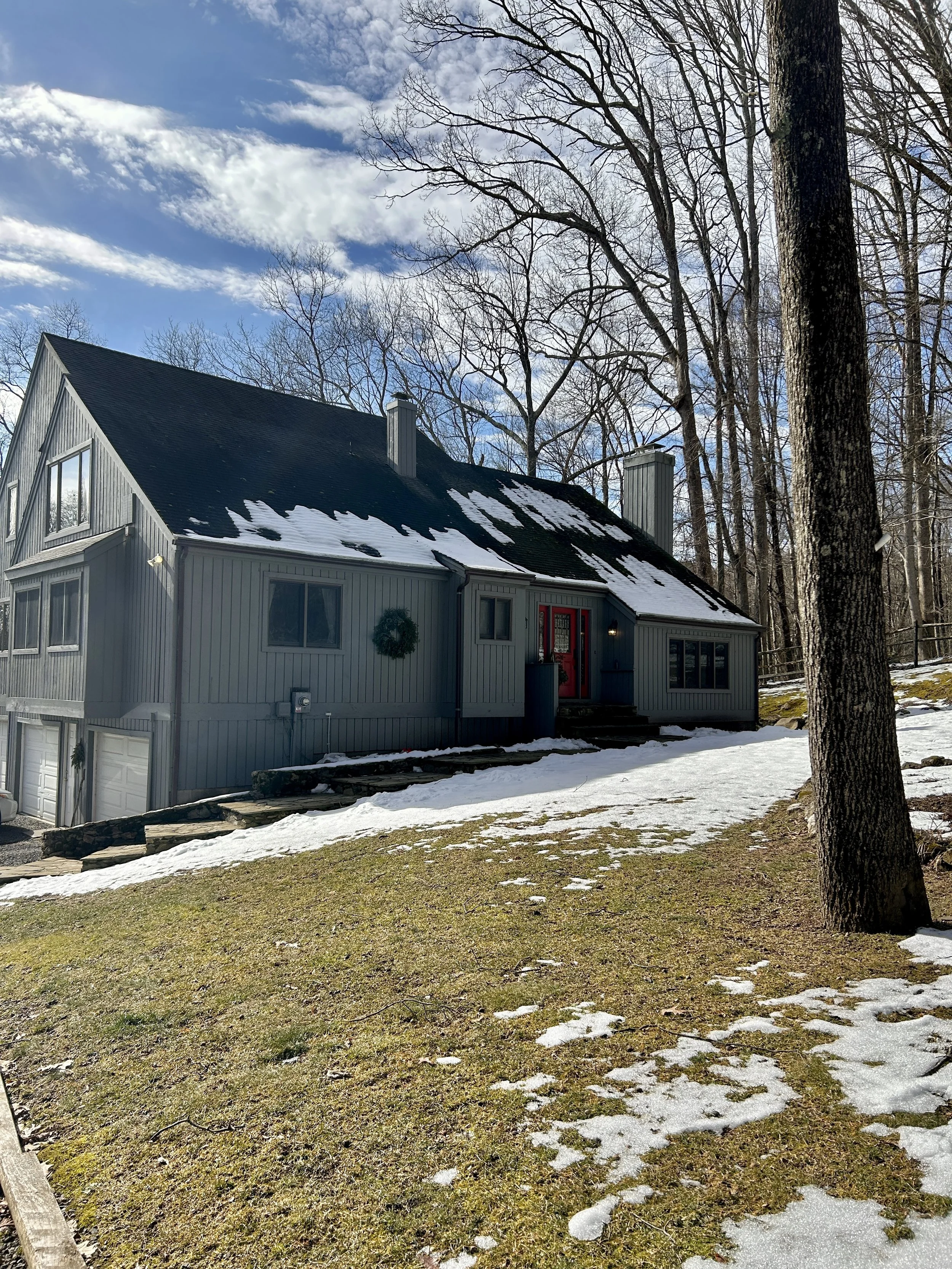
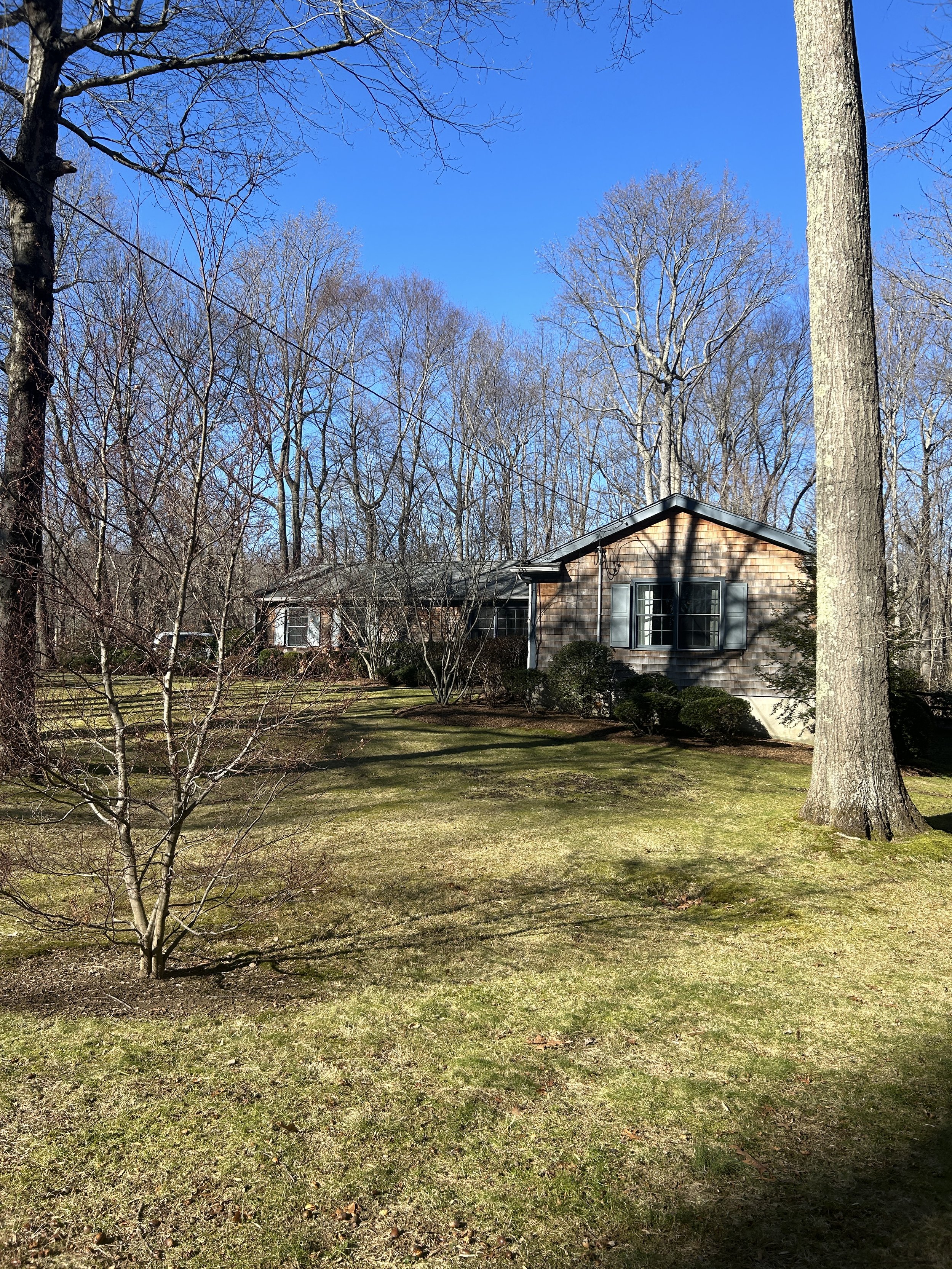
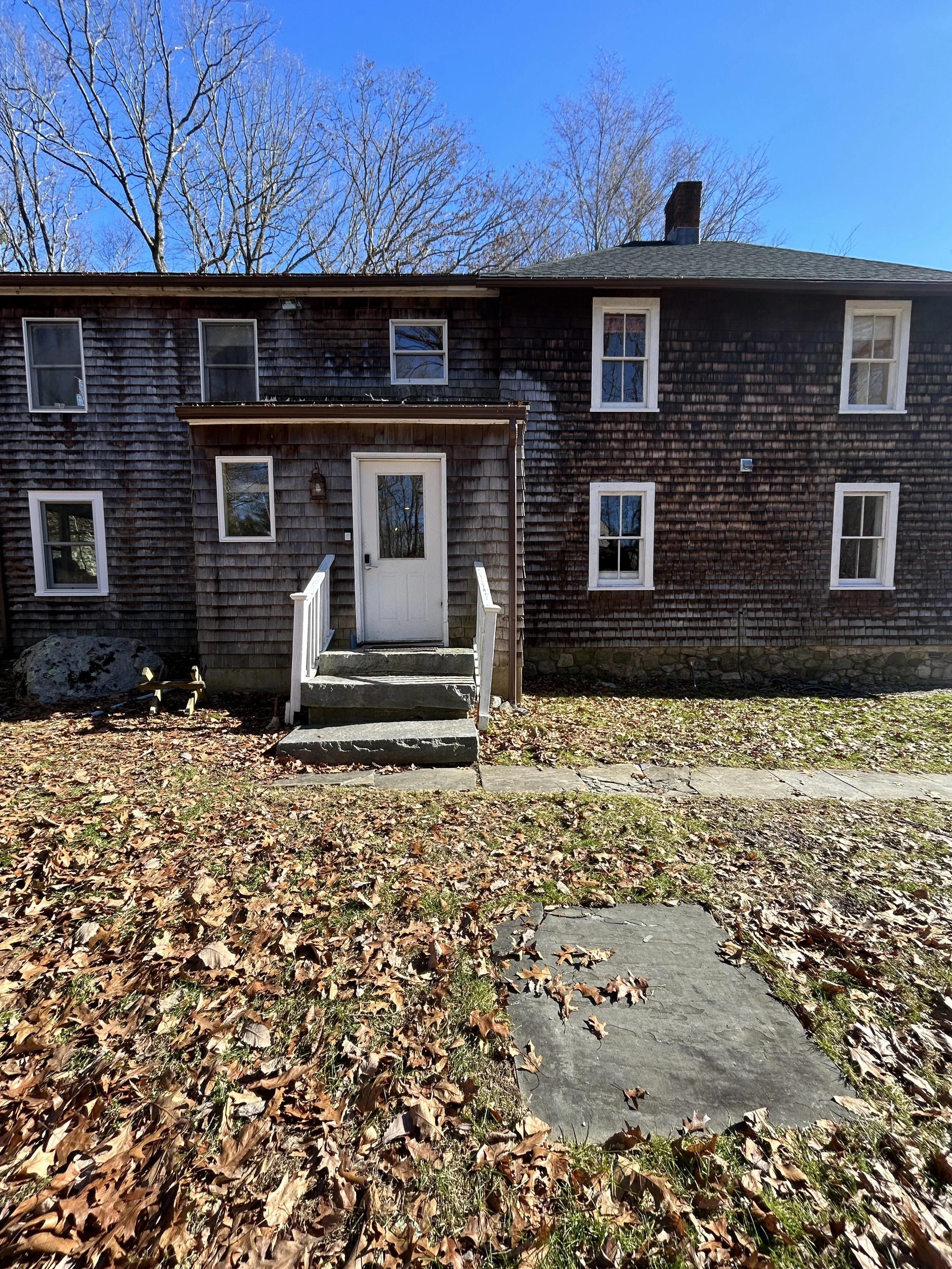
We’re both visual thinkers. We need to see everything listed out in front of us in order to make a decision. We each listed out what we loved about the house we were torn over. We like to do this for most of the homes we see as soon as we get in the car (while it’s still fresh in our minds). This helps us have a reference when we’re comparing multiple properties against each other.
The “Absolutely Not” List
How does one compromise on such a major purchase? Given the level of investment at stake, it is important to us that we both agree and feel excited about the purchase. But in this instance, we were at a stalemate. So how did we work past it?
Proximity to Water — Water damage just seems like a lot to handle… and seems a smidge out of our control. When there’s water on the property or nearby, there’s a risk of flooding, which can have serious consequences on the home’s structure and potential for mold.
Foundation Issues — This is quite literally what is holding your house together. Any issues with the foundation isn’t just a safety concern, but it puts your entire house at risk, and it can be costly to fix!
Radon — Okay, this is a confusing one. We heard both ends of the spectrum when it came to radon levels at a property. There's no truly "safe" level of radon, as it's a carcinogen. Radon is the second leading cause of lung cancer after smoking, so definitely take this measurement seriously and don’t skip it in your home inspection! Keep in mind that in the days leading up to your inspection the house will likely have been aired out and the environment in which test is run may not exactly replicate your day-to-day situation.
Luckily, James’ expertise in environmental policy helped simplify what this means for our house search. The U.S. EPA recommends taking action to reduce levels to below 4 picocuries per liter (pCi/L), with consideration for levels between 2-4 pCi/L. Aim for the lowest possible level, but if testing shows 4 pCi/L or higher, hire a professional to install a radon mitigation system to bring levels down. So, when viewing a home, If there was already a mitigation system in place and that number was still within the 2-4 pCi/L range or higher, that was a red flag.
Old and/or Damaged Roof — This is something you can potentially negotiate in the sale of the home, but for us, it’s just another big upfront cost we aren’t comfortable covering. We would rather reallocate cash to cover cosmetic upgrades or address problems within the home, which we could pace out in a comfortable cadence.
Septic Repairs — Septic tank updates aren’t for the faint of heart, but luckily there are professionals for that! This repair is on our red flag list, but is honestly variable. A tank replacement alone is manageable, but replacing a leach field is a whole other ball game with a potential price tag that rivals a down payment. Not all homes have a septic tank, so this may not be a problem for you at all!
These are our lists — the things we keep top of mind as we search for our Dream Haus. We’re sure your list differs, but we hope this inspires you to consider different elements of homes as you find your own happy place! Happy house hunting.
Until our next chapter!
xo, James & Victoria
P.S. Craving more Dream Haus content? Tap the links below.